Why Vancouver Island Homeowners Are Switching to Propane: The Complete Fuel Comparison Guide
Propane provides a clean, highly efficient, and versatile energy solution for Mid-Vancouver Island homes and businesses, delivering high-heat output regardless of outdoor freezing temperatures. As coastal weather becomes more unpredictable and electricity rates rise, property owners across Nanaimo, Parksville, Qualicum Beach, and Port Alberni are comparing heating options. While alternative technologies like air-source heat pumps and solar panels have gained attention, understanding the practical performance, upfront capital investment, and cold-weather reliability of each fuel source is essential before upgrading your home’s heating system.
What Is Propane? Fuel Basics and Environmental Impact
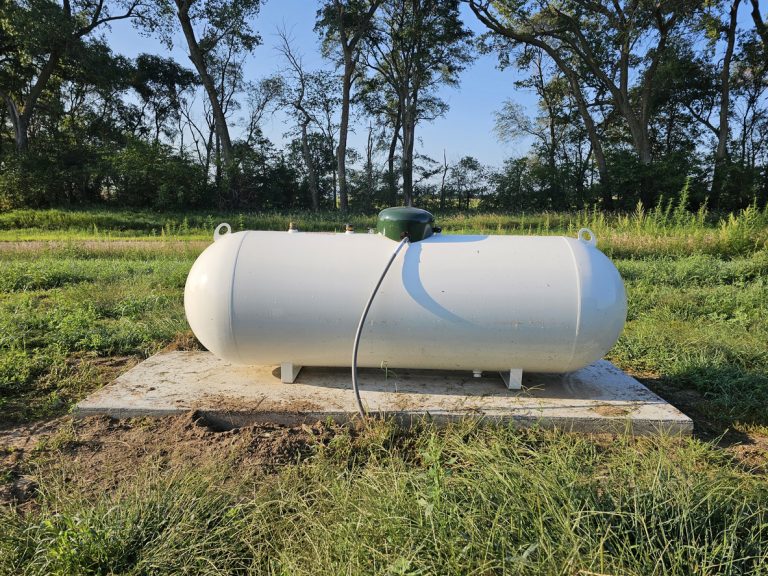
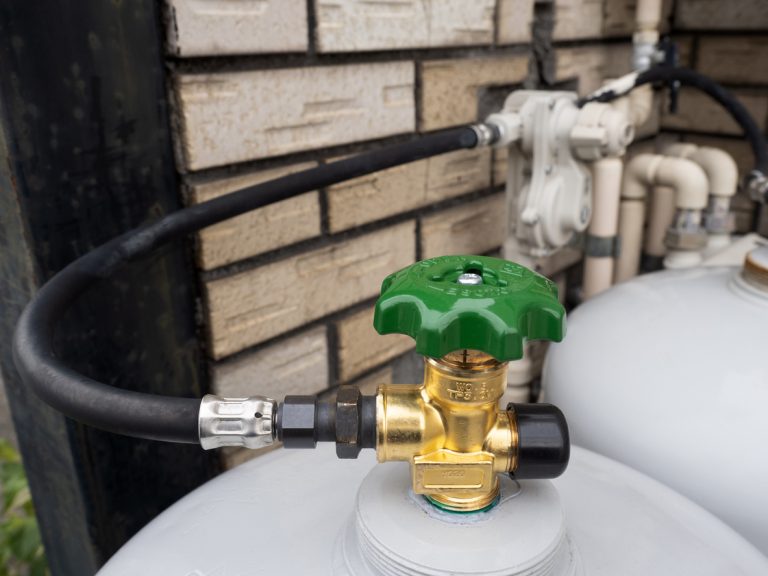
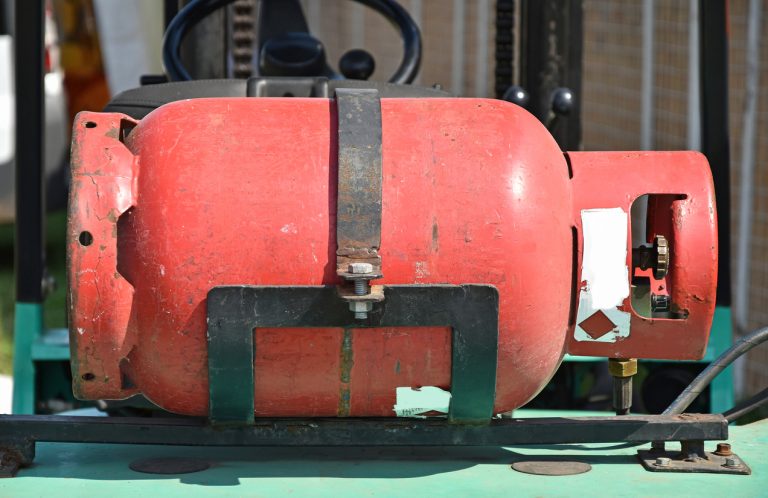
Propane is a non-toxic, clean-burning light hydrocarbon (chemical symbol C3H8). Classified as a Natural Gas Liquid (NGL) when derived from natural gas processing or Liquefied Petroleum Gas (LPG) from oil refining, propane is recognized under Canada’s Alternative Fuels Act and British Columbia’s Low Carbon Fuels Act for its low environmental impact.
Unlike liquid heating oil or diesel, propane vaporizes immediately upon contact with air. In the rare event of a leak, it leaves no toxic residue in the soil or groundwater, eliminating the severe environmental liability and insurance risks associated with aging residential oil tanks.
Propane
Air-Source Heat Pumps
Heating Oil (Diesel)
Natural Gas
Wood Heat
Solar Energy
Propane vs. Air-Source Heat Pumps: Realities for Island Winters
Air-source heat pumps are widely promoted for mild coastal weather, but homeowners often encounter unexpected limitations when winter storm fronts hit Mid-Vancouver Island:
1. Performance Drop in Cold Weather: Standard air-source heat pumps extract ambient heat from outdoor air. When temperatures drop below 5°C—a frequent overnight occurrence from October through April across local communities—heat pumps struggle to produce heat quickly or efficiently.
2. Expensive Back-Up Resistance Heating: To maintain indoor temperatures during freezing weather, heat pumps engage supplemental electric resistance coils. Electric resistance heating is one of the most expensive ways to heat a home, causing unexpected winter “bill shock” under BC Hydro’s Tier 2 pricing.
3. High Upfront Capital Investment: A complete whole-home heat pump system often costs between $25,000 and $40,000+ to purchase and install, especially if electrical panel upgrades, ductwork modifications, or structural retrofits are required.
4. Power Outage Vulnerability: Heat pumps depend 100% on active electrical grid power. During winter windstorms that knock out power lines in rural areas like Errington, Coombs, or Horne Lake, an electric-only heating system leaves homes without warmth, risking frozen and burst water pipes. A propane furnace or backup generator ensures continuous heating security when the main grid fails.
Propane vs. Natural Gas: Energy Density and Rural Access
While natural gas is a common utility in densely populated urban centers, propane is the practical solution for suburban and rural Mid-Island living.
- Double the BTU Energy Content: Propane contains roughly 2,520 BTUs per cubic foot, compared to approximately 1,030 BTUs per cubic foot for natural gas. You need roughly half as much propane by volume to produce the exact same amount of heating energy.
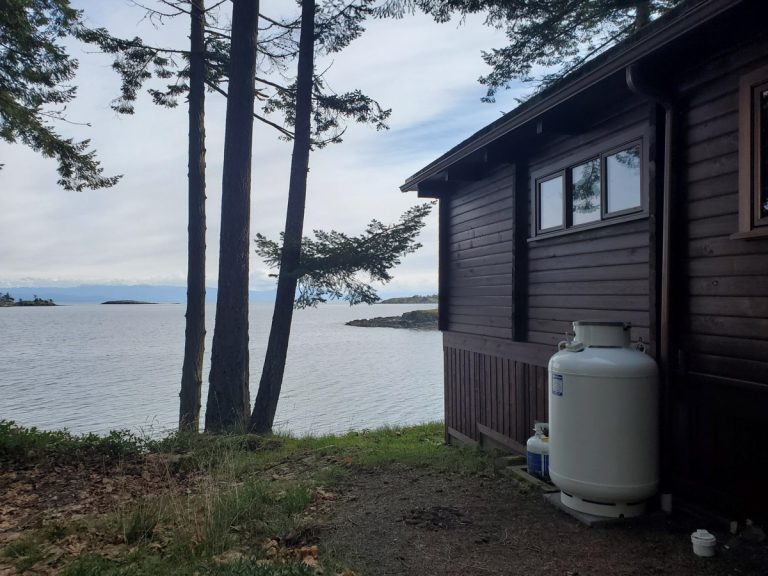
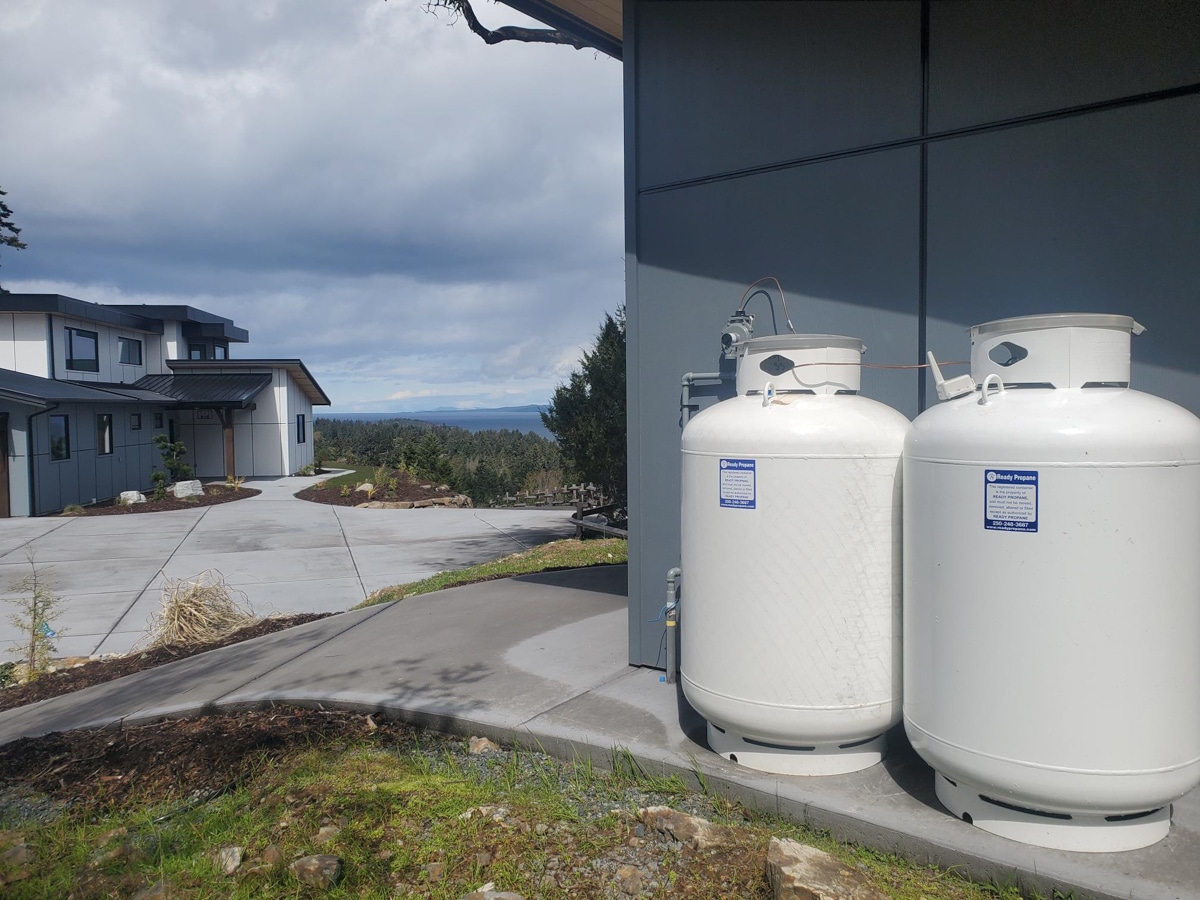
- Infrastructure Independence: Extending municipal natural gas pipelines to rural roads or outlying properties can cost tens of thousands of dollars in line-extension fees. A residential propane storage system can be installed anywhere a 4WD delivery truck can gain access, giving you full control over your private energy infrastructure.
Propane vs. Heating Oil and Firewood
Replacing Old Heating Oil Tanks
Heating oil and automotive diesel carry severe ground contamination risks. A leaking oil tank can lead to tens of thousands of dollars in environmental remediation claims. Switching to propane completely eliminates soil contamination liabilities, lowers system maintenance costs by burning cleaner, and provides fuel that stores indefinitely in sealed steel tanks without spoiling or requiring chemical stabilizers.
The Real Cost of Firewood
While wood fire provides cozy radiant warmth, firewood is no longer a cheap or effortless fuel source. Commercial cordwood on Vancouver Island now ranges between $300 and $500 per cord, plus delivery. When used as a primary heat source, homes can consume 6 to 8 cords per season, requiring extensive manual splitting, drying, stacking space, and frequent stove ash maintenance. Propane provides instant, clean, thermostat-controlled heat without the smoke, dust, or physical labor.
FAQ
Frequently Asked Questions
Switch to Clean, Reliable Propane Heating
Looking for a secure, high-efficiency heating fuel for your Mid-Vancouver Island home? Ready Propane delivers honest advice, transparent pricing, and all-weather 4WD delivery fulfillment across Nanaimo, Parksville, Qualicum Beach, and Port Alberni. Speak directly with our local Parksville yard team today.
Call Ready Propane at 250-248-3687
or